When it comes to customer experience, most leaders focus on scripts, surveys, or systems. Great CX leaders focus on people. They focus their attention on human beings, both customers and employees, and the small moments that make someone think, “Wow. They really get me.”
These leaders create environments where feedback travels fast, frontline teams feel empowered to act, and every touchpoint is an opportunity to make a positive impression. They see patterns before they become problems and make decisions that feel intuitive, but are actually the result of smart software, daily habits, and a relentless focus on what actually matters to the customer.
In short, the difference between “good enough” and “exceptional” CX isn’t luck or magic. It’s strategy, empathy, and a little bit of bravery. So what exactly do these leaders do differently? Let’s break it down. (And yes, there will be actionable takeaways you can use with your own teams.)
Great CX leaders don’t wait for the monthly, or worse, quarterly, report to find out what customers think. They know that by the time most companies read those dashboards, the moment to act has already passed. The difference? They make customer feedback part of the daily routine.
Picture this: Every morning, the team huddles for a five-minute feedback check-in. They highlight what’s working, flag any pain points, and celebrate quick wins. It’s short, it’s sharp, and it’s people-first. Feedback isn’t a spreadsheet; it’s a conversation that sparks action.
The results are obvious. Problems get fixed faster, wins get amplified, and teams feel connected to the impact of their work. Customers also notice, because they experience responsiveness instead of bureaucracy.
And here’s the kicker: This isn’t complicated or expensive. It’s about creating small, consistent habits that keep your team close to the voice of the customer. The best CX leaders understand that speed beats perfection and that insights are only valuable when they’re acted on, not archived.
In short, customer feedback should never be a dusty quarterly relic. It should be living, breathing, part of everyone’s day.
Great CX leaders don’t just delegate, they empower. They see every team member, from the front desk to customer support, as a mini product manager with the authority and responsibility to improve the customer experience.
Who knows your customers better than the people interacting with them every day? These leaders tap into that knowledge, encouraging employees to identify friction, propose solutions, and conduct small test experiments. The results? Faster improvements, more engaged staff, and customers who notice the difference.
It’s not about giving carte blanche or removing guidance, it’s about balancing freedom with alignment. Employees know the goals, have the tools, and feel safe to innovate. When someone spots a recurring issue, they don’t just report it, they fix it, iterate, and share what they learned with the team.
This approach turns ordinary employees into active participants in shaping customer experience. The outcome is a culture of ownership, curiosity, and relentless improvement, where small, frontline-led changes can have a massive impact. Essentially, you need people who feel empowered to act every single day. And the best leaders make sure that happens.
In exceptional customer experiences, humans come first, and technology makes their impact louder. The best tools amplify the human touch, helping teams listen, connect, and create moments that delight.
Let’s say a customer submits feedback through a survey. In an average company, that response might get lost in a queue, ignored, or buried in reports. In a top-tier CX organization, smart tools immediately flag the insight, provide context, and empower the team to act quickly, personally, and meaningfully. Technology handles the busywork, humans create the impact.
The leaders doing this well understand two things: one, data is only useful when it’s actionable. Two, no algorithm can replace empathy, curiosity, and initiative. AI and automation can spot trends, flag issues, and provide insights, but it’s your people who can turn those insights into moments that make customers say, “Wow.”
By blending technology with humanity, these leaders create systems that work at scale without ever feeling impersonal. Customers feel heard, teams feel empowered, and everyone benefits from smarter, faster, more human interactions.
Most companies react to customer issues after they flare up, with late emails, escalated tickets, and frustrated calls. Great CX leaders take a different approach: they use insights to prevent fires before they start.
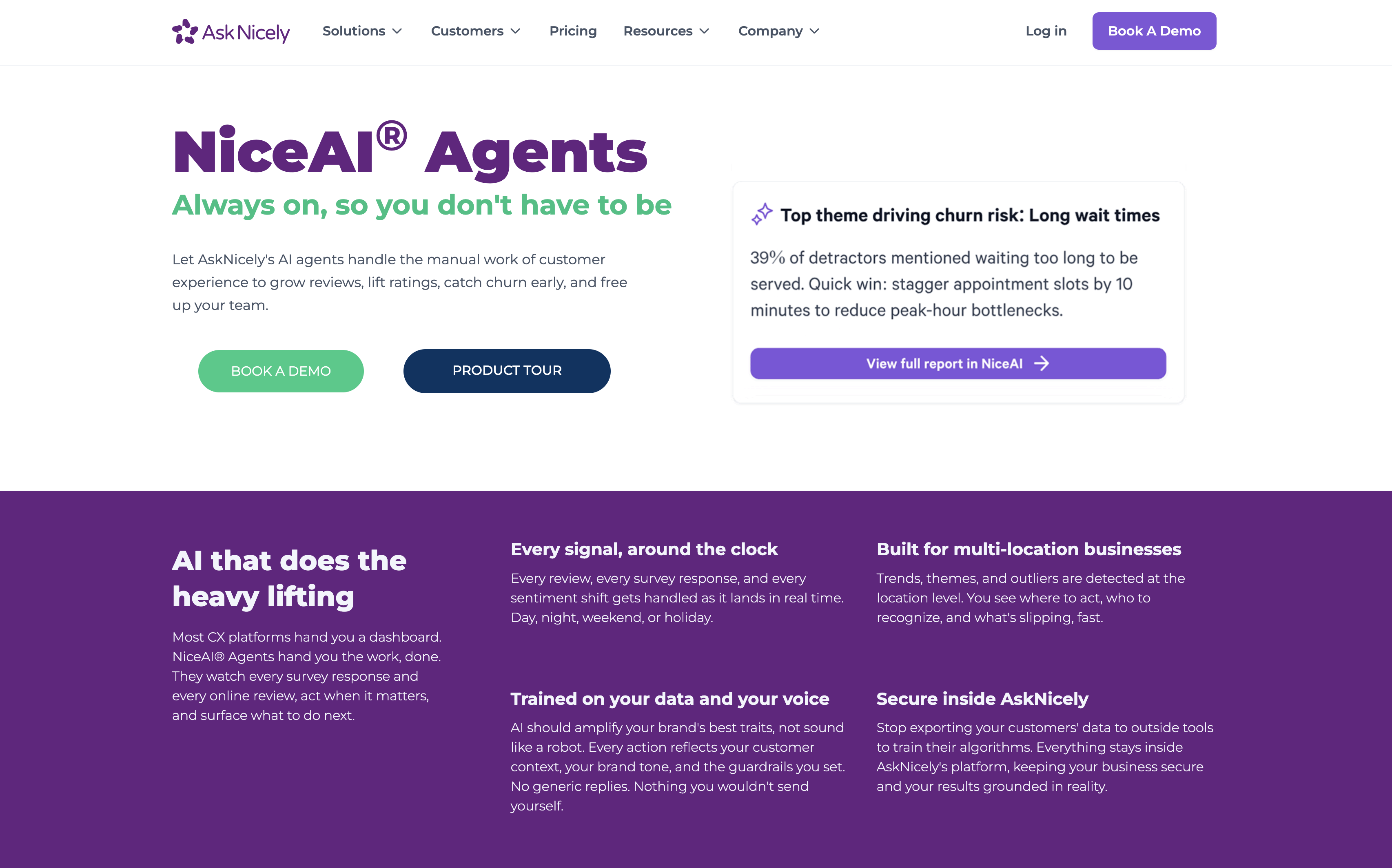
Every touchpoint is an opportunity to spot friction early: onboarding experiences, support interactions, or survey feedback. By analyzing trends and patterns, they identify potential pain points and act before a small issue becomes a lost customer. Tools like NiceAI make this possible, using AI to highlight trends, summarize feedback, and provide actionable insights so teams can proactively resolve issues before they escalate.
The result? Customers feel understood and cared for, not like someone is scrambling to respond. Employees see the impact of being proactive rather than reactive, and start thinking in terms of preventing issues instead of just solving them.
Great CX leaders don’t wait for problems to appear; they anticipate them, improve experiences continuously, and keep customers happy, loyal, and engaged.
Consistency is the quiet superpower of great CX leaders. You can roll out the flashiest initiative or the shiniest AI dashboard, but without steady application, it fizzles. The real impact comes from showing up, again and again.
It’s all about the small, repeated actions that make exceptional customer experiences routine. Daily check-ins, feedback loops that actually lead to change, and celebrating the little wins, these habits become the framework for a customer-first culture.
We can look to Julie Gessin, Chief Operating Officer at Schweiger Dermatology Group, as a perfect example of leading with radical consistency.
With over 250 providers across 90 offices in four states, Schweiger Dermatology faced a challenge: how to deliver consistently excellent patient experiences at scale. Julie realized that exceptional medical skills weren’t enough, patients also needed to feel seen, heard, and cared for at every interaction.
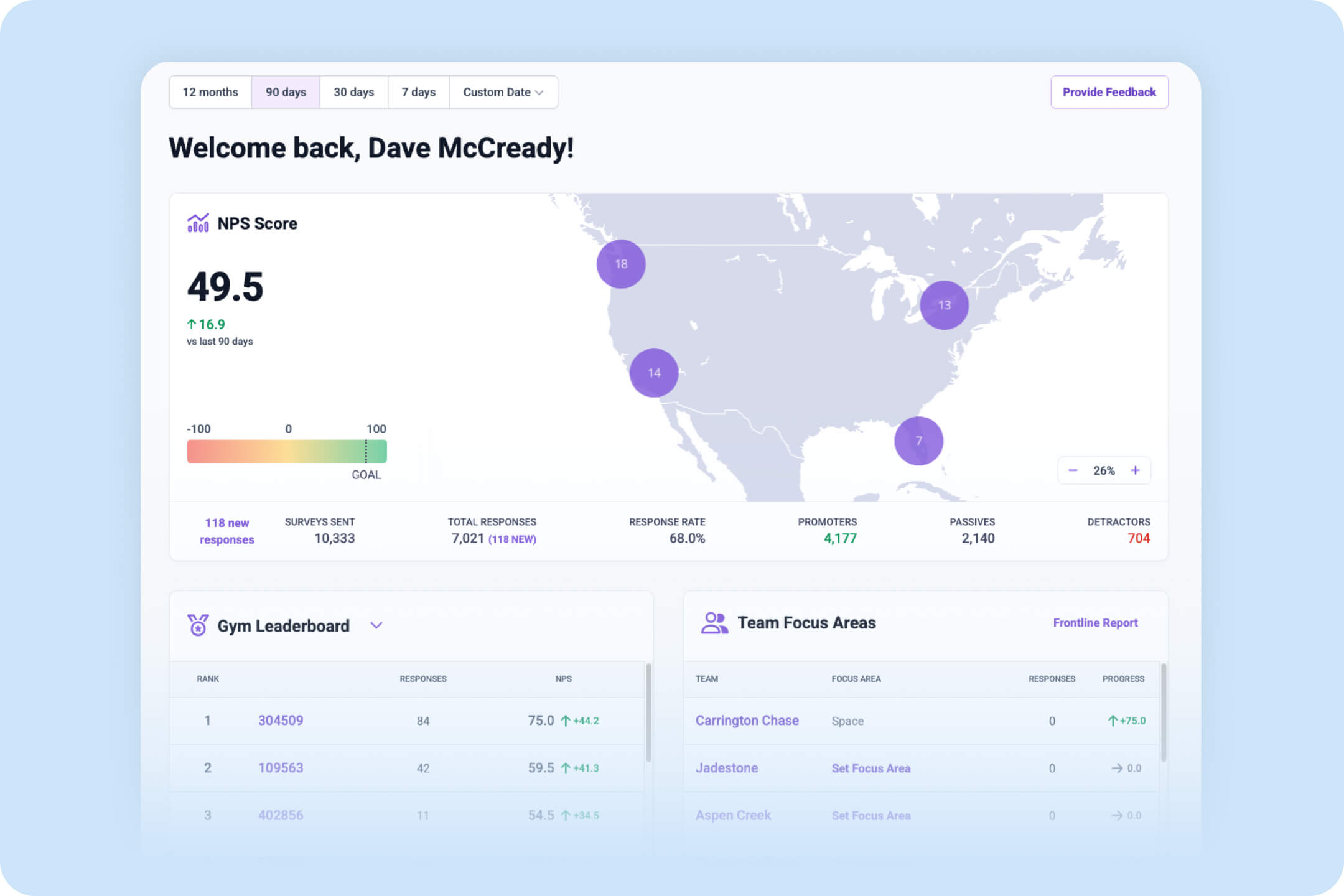
Enter AskNicely. By embedding real-time patient feedback into daily routines, Julie and her team could proactively spot trends, coach providers, and reinforce behaviors that drive satisfaction. Providers receive feedback directly on their devices, celebrate wins company-wide, and can act immediately on insights that improve the patient experience.
The results speak for themselves: nearly 50% of providers improved their individual NPS scores by 12 points in a year, and positive Google reviews tripled, giving Schweiger Dermatology an average 4.5-star rating. By focusing on consistent, proactive CX, Julie ensures that each patient encounter meets high standards, even as the organization continues to grow.
Consistency isn’t just a habit for Schweiger, it’s a strategy. By showing up every day to act on feedback, coach teams, and celebrate successes, Julie and her team have turned customer experience into a competitive advantage, proving that steady, deliberate actions drive lasting impact.
By now, we know that great CX leaders focus on people. They empower their teams to act, turn feedback into daily improvements, and create experiences that make customers feel seen and valued. They combine human intuition with smart systems, spotting trends before they become problems and celebrating wins as they happen.
And the secret sauce that makes all of this easier? AskNicely. It gives teams the tools to capture real-time feedback, surface insights automatically, and turn them into action, without drowning in spreadsheets or waiting for quarterly reports. In other words, it lets your people do what they do best: delight customers.
To lead like the best, start with the right habits, the right culture, and the right tools. Book a demo with AskNicely today and see how your team can start delivering exceptional experiences, every single day.
Explore the AskNicely resource hub for free guides, templates, case studies, and best practices to help your team turn feedback into action, improve customer experience, and drive business growth.