The future of service isn’t human or AI, it’s both
For years, conversations about artificial intelligence in customer experience have been framed as a competition: humans versus machines. Will AI replace frontline employees? Will automation make service feel cold and impersonal? Can businesses scale efficiently without sacrificing empathy?
But the organizations delivering the best customer experiences today aren’t choosing one over the other. They’re combining the speed and intelligence of AI with the emotional awareness and judgment that only people can provide.
That balance matters more than ever. Customers expect fast answers, personalized experiences, and seamless service across every interaction. At the same time, they still want to feel heard, understood, and valued, especially when something goes wrong. Speed alone doesn’t create loyalty. Human connection does.
This is where AI is reshaping service delivery in meaningful ways. Instead of replacing employees, the right AI tools remove friction behind the scenes. They help teams identify issues faster, understand customer sentiment more clearly, and focus their attention where it matters most.
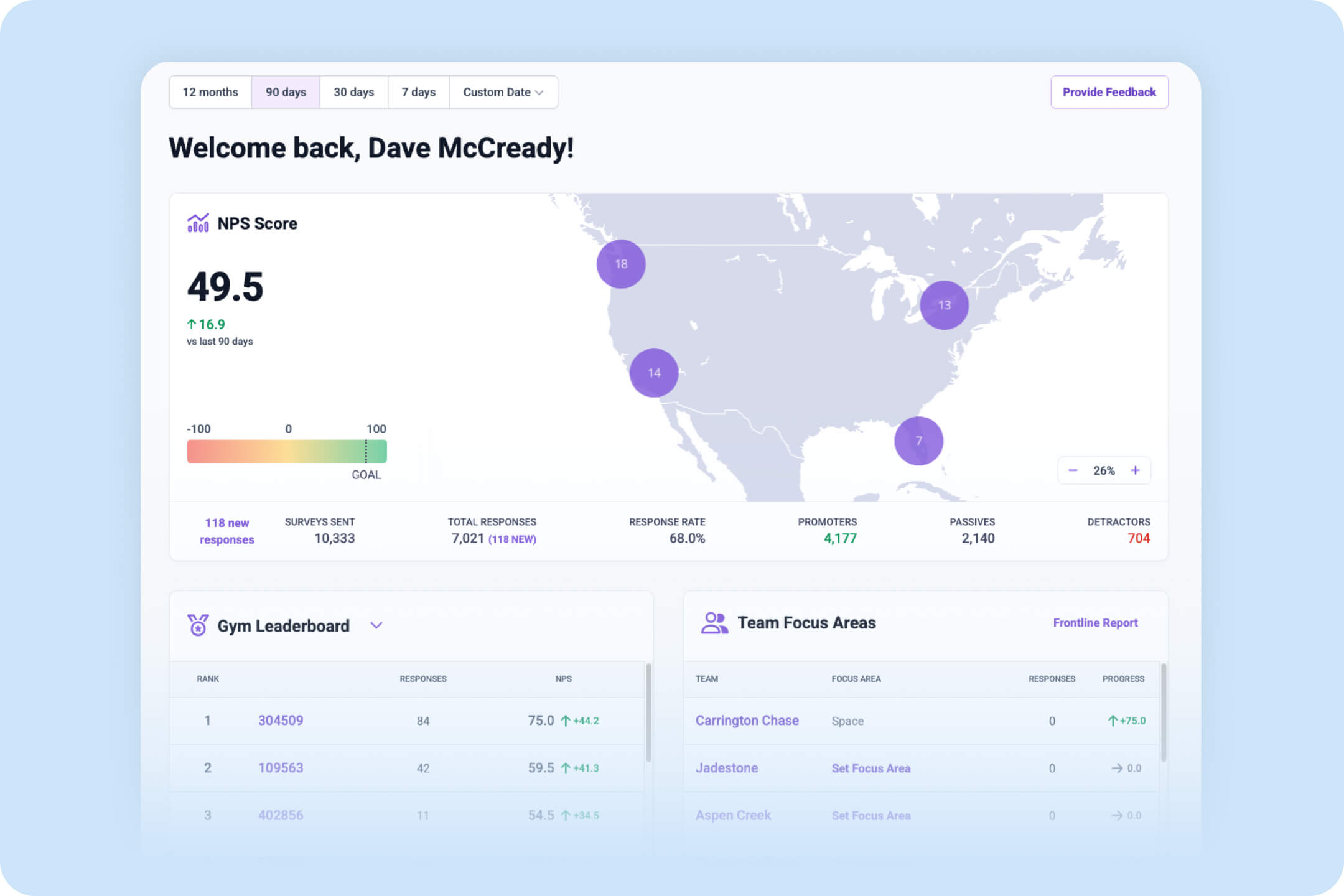
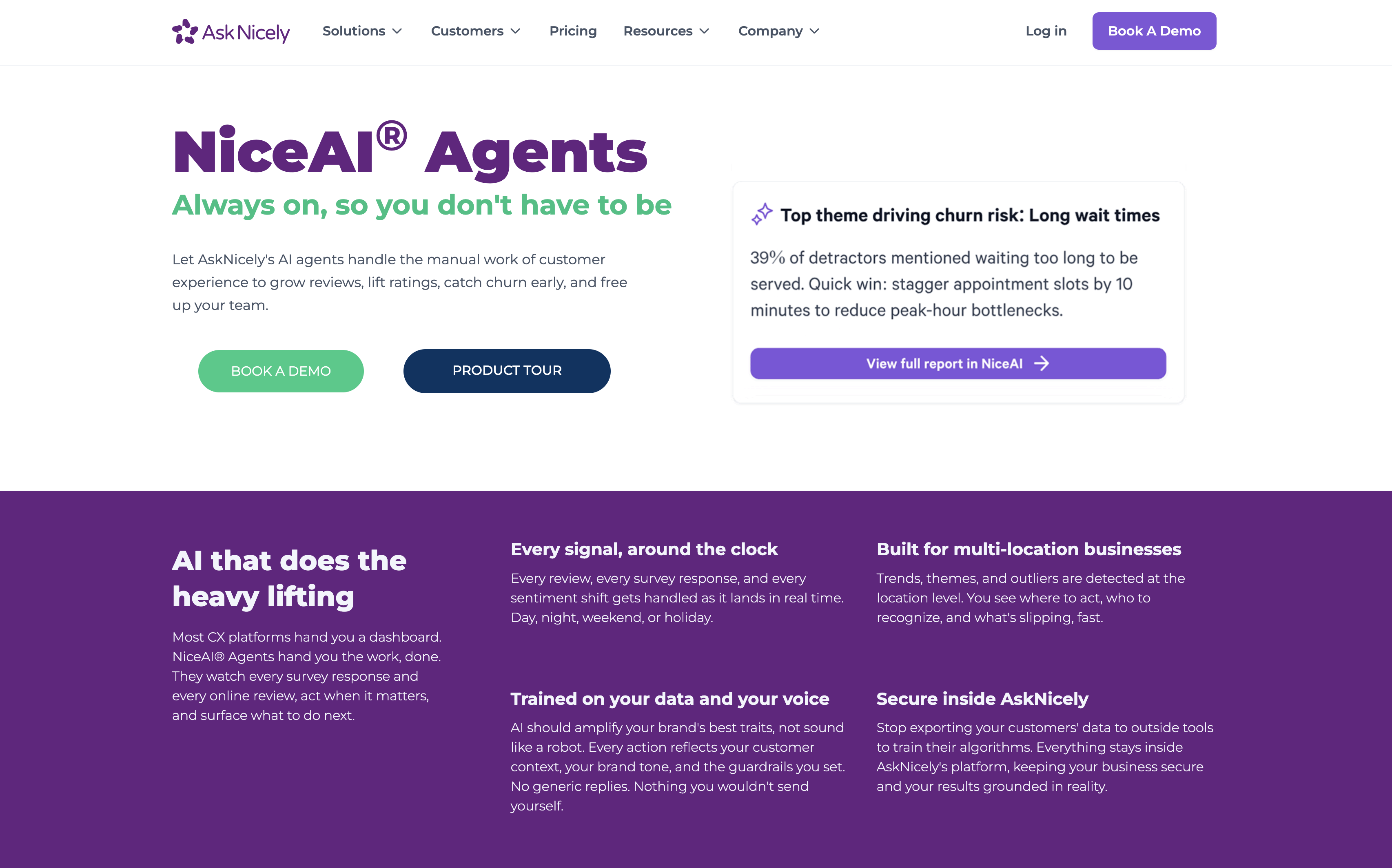
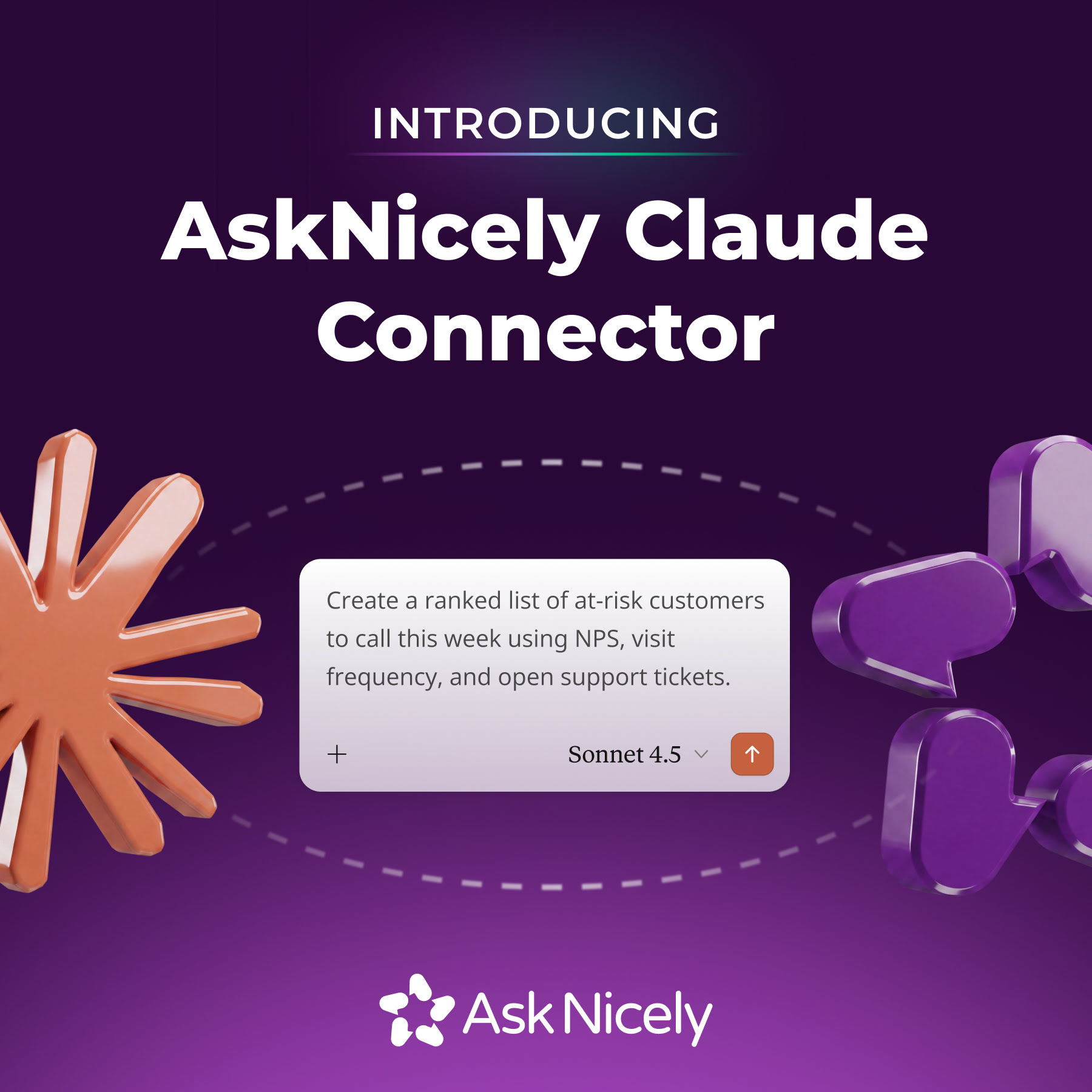
Rather than spending hours digging through dashboards or manually analyzing feedback, service leaders can now ask simple questions and get instant insight into what customers are experiencing, what’s changing, and where action is needed most. Tools like NiceAI® help businesses move from reactive support to proactive improvement by turning customer signals into clear direction.
That shift is important because most organizations don’t struggle with collecting customer feedback anymore, they struggle with acting on it quickly enough. When frontline teams have immediate access to insights, emerging risks, and customer context, they’re better equipped to deliver the kind of empathetic, responsive experiences customers remember.
The future of service delivery isn’t about removing humans from the equation. It’s about giving people better tools to deliver exceptional experiences at scale. AI can provide the speed, visibility, and operational efficiency modern businesses need. Humans provide the trust, empathy, and emotional intelligence customers still value most.
The businesses that succeed in the next era of CX will be the ones that know how to use both together.
Customer expectations have changed dramatically over the past decade. People expect faster responses, more personalized interactions, and consistent service across every location and channel. At the same time, service teams are being asked to do more with tighter resources, growing volumes of feedback, and increasingly complex customer journeys.
That’s why machine intelligence is quickly becoming essential in modern customer experience strategies.
AI excels at the kinds of tasks that traditionally slow teams down: analyzing large amounts of data, identifying patterns, surfacing trends, and automating repetitive workflows. Instead of manually reviewing surveys, tracking sentiment shifts, or trying to spot emerging issues across dozens of locations, businesses can now uncover insights instantly and act faster.
Most organizations already have plenty of customer data. Surveys, reviews, support conversations, and operational metrics generate constant streams of feedback. The challenge is turning all of that information into actionable decisions before opportunities are missed or frustrations escalate.
This is where tools like NiceAI® create a major advantage.
Rather than waiting for dashboards to load or relying on analysts to interpret reports, leaders and frontline teams can quickly identify declining sentiment, pinpoint the drivers behind churn risk, and uncover the issues having the biggest impact on customer loyalty.
That ability to move from feedback to action faster is becoming a competitive differentiator.
Machine intelligence also helps organizations scale personalization in ways that would be nearly impossible manually. Dynamic Surveys powered by NiceAI® adapt in real time based on customer context and responses, helping businesses collect richer, more relevant feedback without increasing friction. Instead of forcing customers through static surveys, organizations can create experiences that feel more conversational and tailored to the individual.

AI-powered insights also help teams focus their energy more effectively. Rather than overwhelming employees with endless reports and disconnected metrics, NiceAI® highlights the areas that deserve immediate attention while also recognizing standout service moments worth celebrating. That balance matters because great customer experience isn’t only about fixing problems, it’s also about reinforcing the behaviors that create loyalty in the first place.

Importantly, the goal of machine intelligence shouldn’t be to replace frontline teams. It should be to help them spend less time gathering information and more time improving customer experiences.
As AI becomes more embedded in customer experience, one thing hasn’t changed: customers still remember how businesses make them feel.
Fast responses and seamless automation are valuable, but they’re rarely enough to create lasting loyalty on their own. The moments that shape customer relationships most strongly are often emotional ones; when a customer feels frustrated, uncertain, disappointed, or especially valued. In those moments, empathy matters.
That’s why the most effective service strategies don’t treat AI as a replacement for human interaction. They use it to create more opportunities for meaningful human connection.
AI can identify patterns, summarize feedback, and even detect shifts in sentiment, but it can’t genuinely understand emotion the way people do. Emotional intelligence, judgment, reassurance, and trust-building still rely on human interaction. Customers want efficiency, but they also want to know there’s a real person behind the experience when it matters most.
The challenge for many organizations is that delivering empathetic service consistently at scale is difficult. Frontline teams are often overwhelmed with information, switching between systems, and reacting to problems after they’ve already escalated.
This is where AI can strengthen empathy rather than weaken it.
NiceAI® helps businesses surface customer signals earlier, giving teams more context before interactions become high-risk situations. Instead of discovering issues weeks later in a report, organizations can identify emerging frustration trends in real time and respond faster. That early visibility allows employees to engage more thoughtfully and proactively.
For example, a dental practice might identify recurring anxiety-related feedback from patients and proactively adjust communication before appointments. A telecom provider could detect rising frustration around service delays before churn increases. A field service business might uncover patterns showing which employees consistently create standout customer experiences and use those insights to reinforce great service behaviors across the team.
In each case, AI is helping organizations operationalize empathy.
As automation becomes more common, empathy may actually become a stronger competitive advantage. Customers will increasingly gravitate toward businesses that combine efficiency with emotional intelligence. Organizations that not only solve problems quickly, but also make people feel understood throughout the process.
If empathy defines the quality of customer experience, machine intelligence defines how consistently and effectively that experience can be delivered at scale. The real opportunity with AI isn’t limited to automation — it’s about strengthening every stage of the service journey so teams can act faster, prioritize better, and respond with more context.
The biggest impact shows up in three key areas: understanding customers earlier, improving interactions in real time, and turning feedback into action faster.
Most organizations already collect more customer feedback than they can realistically analyze. Surveys, reviews, support conversations, and operational data all contain signals about what customers are experiencing, but those signals are often fragmented and slow to interpret.
NiceAI changes that by continuously analyzing feedback across surveys, reviews, and locations to detect patterns and explain what’s changing and why. Instead of waiting for quarterly reports or manual analysis, teams can see emerging issues as they develop.
Dynamic Surveys also improve the quality of the data itself. By adapting questions in real time based on customer context and responses, they reduce survey fatigue and capture more relevant feedback. The result is richer insight with less friction.
Once data is captured, the next challenge is making sense of it quickly. Traditionally, this requires dashboards, analysts, and time, all of which slow down decision-making.
NiceAI® helps teams ask questions in natural language and instantly see trends, sentiment shifts, and drivers of customer experience performance. Instead of navigating complex reporting tools, leaders can explore insights conversationally and get immediate clarity on what matters most.
This shift matters because speed of understanding directly impacts speed of action. When teams can instantly see what’s driving churn risk or declining satisfaction, they can respond before issues escalate.
Insight alone doesn’t improve customer experience, action does. NiceAI® addresses this by highlighting the issues that have the greatest impact on customer experience through Focus Areas. Rather than overwhelming teams with every possible signal, it surfaces what deserves attention right now.
AI Insights also help teams understand not just what is changing, but why it’s changing. That context is critical for frontline teams who need to make decisions quickly and confidently without digging through multiple reports or systems.
The goal is simple: reduce noise, increase clarity, and guide teams toward meaningful improvements.
The promise of AI in customer experience is compelling: faster responses, smarter insights, and more efficient service delivery. But when organizations rush to implement automation without a clear service philosophy, the result is often the opposite of what they intended - a more fragmented, less human experience.
How AI is applied matters.
On one side, over-automation can strip out the human moments that customers rely on when they need reassurance or clarity. Chatbots that loop endlessly, automated responses that don’t reflect context, or self-service journeys that feel like dead ends all create friction rather than removing it. Instead of feeling supported, customers feel stuck.
When that happens, efficiency gains quickly erode into trust losses.
On the other side, under-utilizing AI creates its own set of problems. Without machine intelligence, teams are left manually sorting through feedback, reacting to issues after they escalate, and relying on incomplete or outdated information to make decisions. That leads to slower response times, inconsistent experiences across locations, and overwhelmed frontline teams.
In both cases, the problem is imbalance.
This is where a platform like NiceAI® becomes important, not as a layer of automation for its own sake, but as a system that helps organizations stay grounded in what customers are actually experiencing. When AI is used to surface meaningful signals, prioritize what matters, and guide action, it reduces both extremes: it prevents teams from drowning in data, while also preventing them from removing the human touch where it matters most.
Getting the balance right between human empathy and machine intelligence requires intentional design, not just in tools and technology, but in how organizations think about service, decision-making, and accountability.
A human-centered AI strategy starts with a simple principle: AI should make it easier for people to deliver great experiences.
Many AI initiatives begin with the tool rather than the problem. A more effective approach is to start with the customer journey and identify where friction actually exists.
AI becomes most valuable when it is applied to these real friction points, turning scattered customer signals into a clear direction rather than adding another layer of complexity.
When customer signals are continuously analyzed and translated into clear, relevant insight, patterns become easier to understand without manual effort. Instead of asking teams to piece together what’s happening across locations or channels, the underlying shifts in sentiment, recurring issues, and emerging risks are surfaced in a way that’s immediately usable.
This changes how service teams operate day to day. Conversations become more informed. Responses become more consistent. And decisions are based on what customers are actually experiencing, not delayed interpretations of that experience.
When everything feels important, nothing gets prioritized. Your AI tools should
identify the issues that have the greatest impact on customer experience, so teams can focus their energy where it will actually move the needle (rather than spreading attention thin across dozens of competing signals.)
In customer experience, speed is often the difference between a small issue and a widespread problem. The longer it takes to act on feedback, the more likely it is that frustration builds, repeats across interactions, or turns into churn risk.
Fast action also changes how customers perceive the experience. A quick response signals attentiveness and care, even when something has gone wrong. A delayed response, on the other hand, can make customers feel ignored, even if the eventual resolution is good.
Even the most advanced AI system cannot replace the accountability, empathy, and judgment required in high-impact service moments. That’s why escalation pathways, human oversight, and service recovery processes remain essential.
AI should guide decisions, not make every decision. It should highlight risks, not replace responsibility.
A human-centered AI strategy also requires a broader view of success. Efficiency metrics alone aren’t enough. Organizations need to measure both operational performance and emotional outcomes, including customer sentiment, loyalty, employee engagement, and resolution quality.
Ultimately, building a human-centered AI strategy is a mindset shift as much as a technology shift. It’s about moving from “how do we automate this?” to “how do we help our people deliver better experiences more consistently?”
Through our experience working with hundreds of service brands across the globe, the direction of customer experience is clear: AI will continue to reshape how service is delivered, measured, and improved. It will make organizations faster, more responsive, and far better at understanding what customers are experiencing in real time.
But speed alone has never been the defining factor of great service.
What customers remember, and what drives loyalty over time, is how interactions feel. Whether they felt heard. Whether their issue was understood. Whether the response felt thoughtful, not just efficient.
That’s where the future of CX becomes less about choosing between human empathy and machine intelligence, and more about designing systems where both reinforce each other.
Machine intelligence is what allows organizations to scale insight, detect risk early, and remove friction from decision-making. Human empathy is what turns those insights into meaningful action in moments that matter.
NiceAI® sits at that intersection. It turns customer feedback into a clear direction, helps teams prioritize what matters most, and makes it easier for employees to understand and act on customer needs in real time. From Dynamic Surveys that capture richer feedback, to Ask NiceAI® that surfaces instant insights, to Focus Areas that guide action, it is designed to reduce noise and increase clarity, so people can focus on delivering better experiences.
In the end, AI defines how fast service can move. Humans define how deeply it resonates. And the businesses that understand that difference will be the ones that turn everyday interactions into lasting customer relationships.
See how NiceAI® helps service teams move from feedback to forward motion — turning customer signals into clear priorities, faster decisions, and better experiences across every location.