More leads, more door knocks, more marketing, more sales. It sounds good, right?
But what if the biggest opportunity isn't finding new customers, it's keeping the ones you already have.
That's the central message from a recent conversation on the Bug Bux
Podcast, where Allan and Reagan explored why customer experience has become one of the biggest competitive advantages in pest control, and how businesses can turn everyday customer feedback into long-term growth.
Most companies know their close rate, but not their retention rate.
Ask almost any pest control owner about their sales performance, and they'll know exactly how many deals their team closes.
Ask about retention, however, and the conversation often changes.
Many businesses don't know:
Yet retention has an enormous impact on long-term revenue. Even modest improvements can compound over time through repeat business, referrals, and stronger online reviews. As discussed on the podcast, many operators know their acquisition metrics in detail but have little visibility into retention, despite it being one of the biggest opportunities for sustainable growth.
Customer feedback should be a growth system. Collecting customer feedback isn't the goal, but sing it to improve your business is.
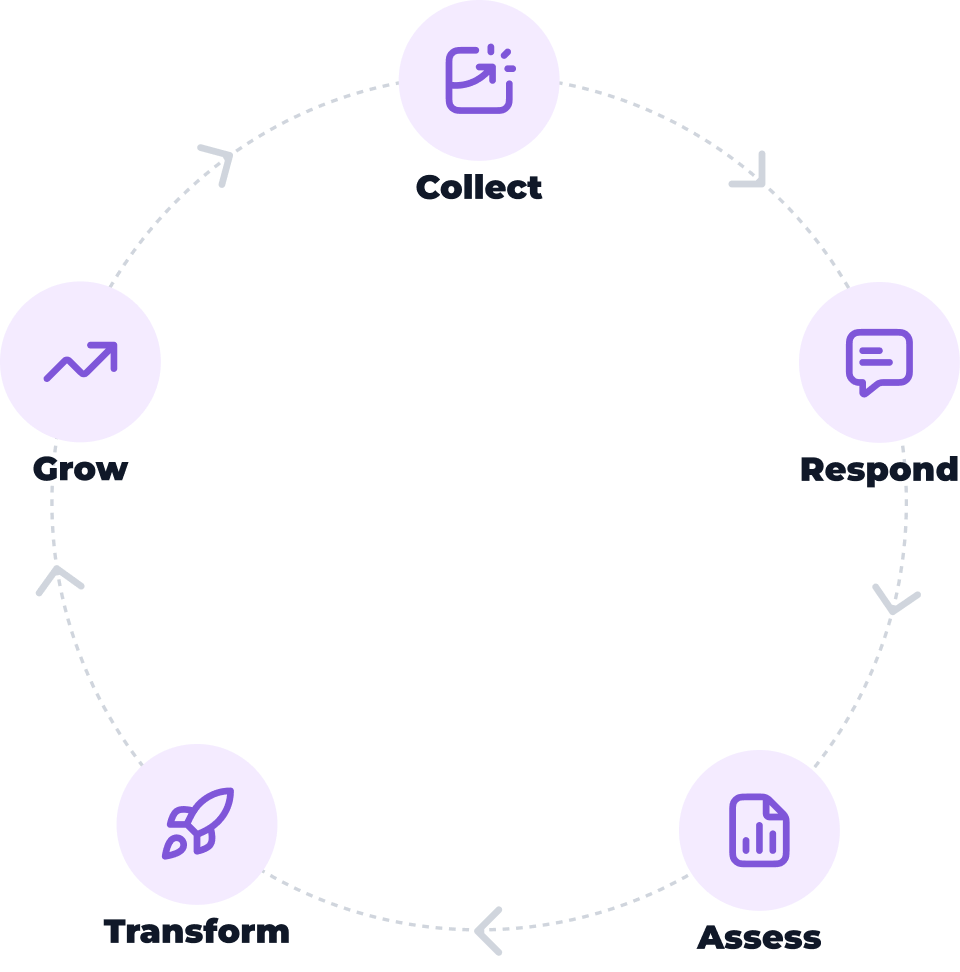
On the podcast, a simple five-step framework that any pest control company can implement in shared:
You can watch the full podcast here, or read on for the simple five-step framework that any pest control company can implement.
Every completed service is an opportunity to learn what went well, and what didn't.
If you're not already sending surveys, even monitoring your online reviews is a great place to start.
Get started with our free survey templates here. Or get a summary of your online Google review presence free here.
Look for recurring themes rather than isolated complaints.
Where are customers consistently delighted?
Where are frustrations appearing again and again?
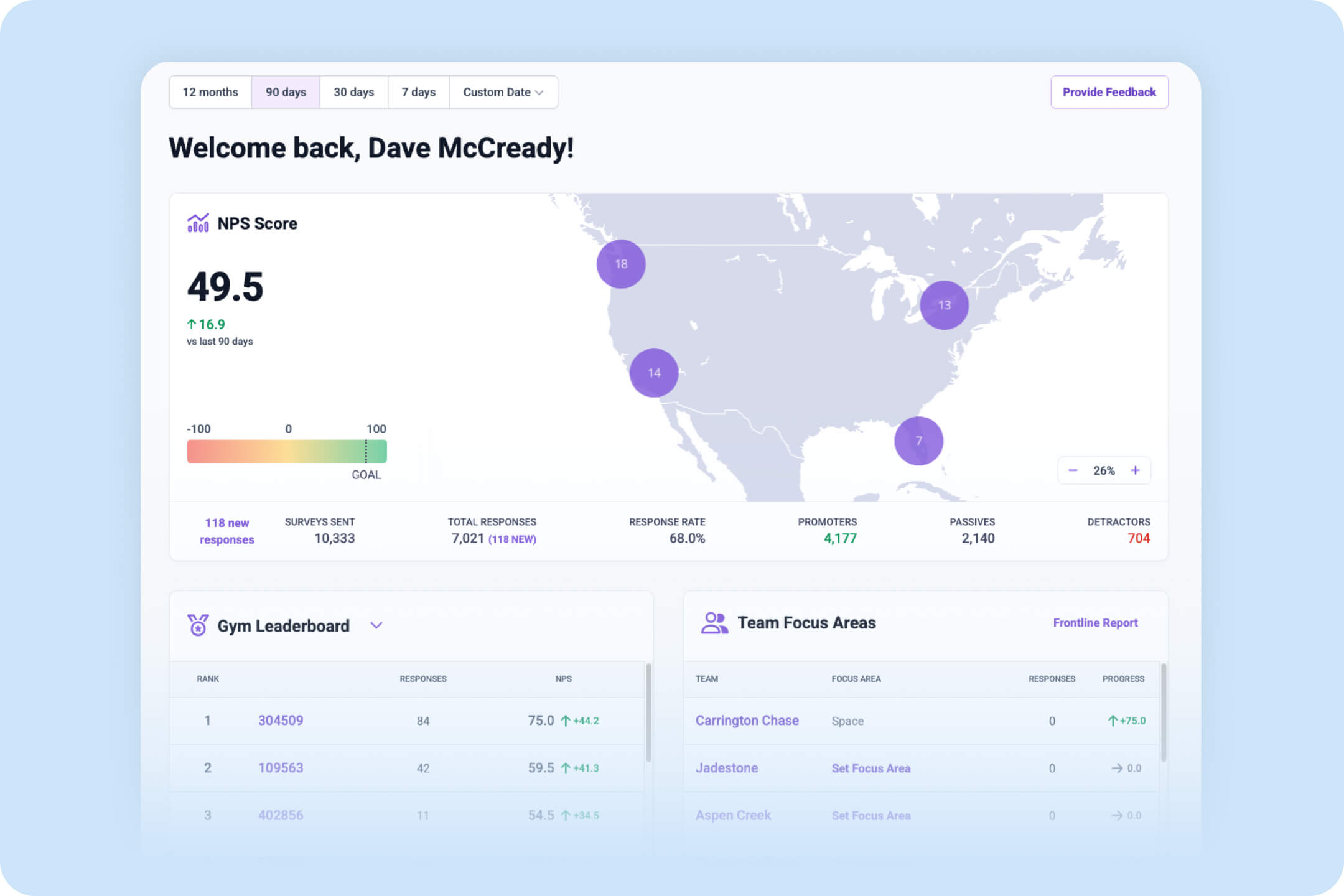
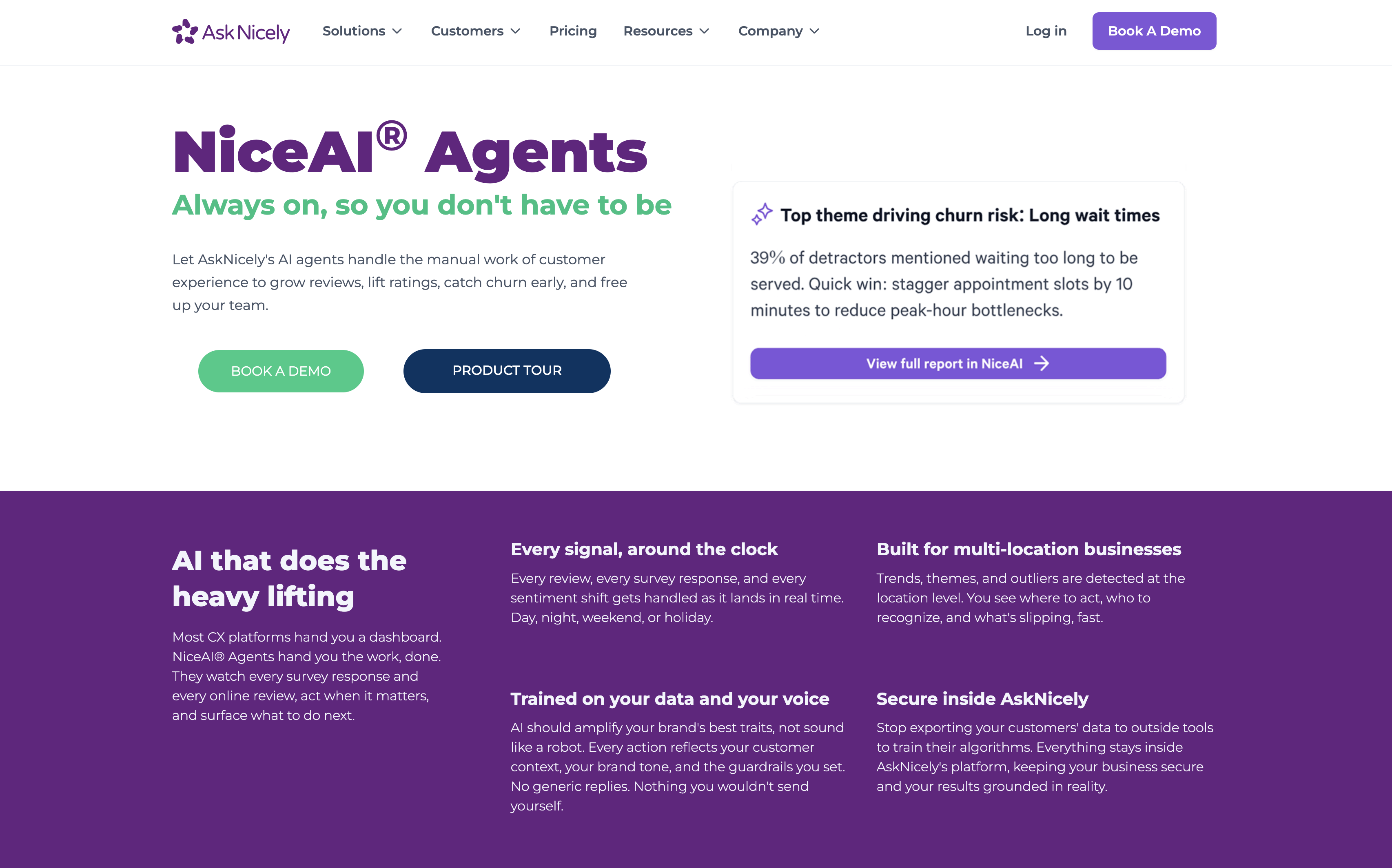
This is where AI can dramatically reduce the manual work of reviewing hundreds or thousands of responses.
One of the biggest mistakes businesses make is waiting too long to respond.
A quick, thoughtful follow-up can often prevent a dissatisfied customer from cancelling altogether.
Use your feedback! Fast!
Use your customer feedback to coach technicians, improve processes and fix recurring pain points.
Happy customers are your best marketing channel.
Encourage satisfied customers to leave reviews, refer friends and share their experience while the interaction is still fresh. This "collect, analyze, respond, transform and grow" framework, called the Earned Growth Flywheel, formed the backbone of the discussion.
What this looks like in practice: How using AskNicely helped Platinum Pest see major improvements in just months
Until recently, Platinum Pest Solutions had no way to collect customer feedback, let alone get real-time insights into the customer experience. But then they became an AskNicely customer. Since adopting AskNicely in early 2025, they’ve seen significant benefits for their business.
Platinum Pest Solutions isn’t your typical pest control business. Instead of taking on new clients once they discover a pest issue, they take on residential and commercial clients looking for preventative pest control. That being said, they wanted a way to proactively connect with customers and ensure their satisfaction.
Platinum Pest Control needed a tool to help them proactively address their customers’ concerns. “Anytime a customer would want to leave us or cancel services, we were reactive to the issues. And in some cases, we didn't even know the issues were occurring,” Jacob Kosiara, Chief Operating Officer, told AskNicely.
Platinum Pest Solutions needed a tool to collect real-time feedback and provide visibility for their teams after previously relying on manual feedback collection methods. “We wanted a tool to grade our technicians. What we've gotten is so much more, and it has been great; it's paid dividends already,” Jacob said. After finding AskNicely, they were quick to onboard and implement Net Promoter Score surveys to enhance customer feedback collection and improve service quality.
Within the first weeks of using AskNicely, the team at Platinum Pest Solutions identified and resolved a service issue with a client that prevented the loss of a significant account. This save alone covered the cost of using AskNicely, and helped them keep churn from spiraling. “If we screw up one, we're likely screwing up more. If we do that, we put not only one property at risk, we put multiple properties at risk,” Jacob said. So it’s essential for them to identify areas for improvement and act on them quickly.
To find this room for improvement, service managers use detractor alerts to trigger follow-up visits. That way, those negative experiences don’t go unnoticed, and they can take quick action when needed. On the flip side, they’re acting on positive feedback too. The sales team proactively calls promoters to thank them and ask for a referral, which has already led to new opportunities. "We’ve already seen real ROI — four referrals from promoter calls alone," Jacob said.
With strong internal alignment around feedback-driven action, the team at Platinum Pest Solutions is already considering how they can get even more from AskNicely. A few months in, they’re already leveraging insights from the feedback to make strategic improvements in service delivery. But they want to move towards additional automation across the board.
The team at Platinum Pest Solutions plans to trigger their post-service surveys for gathering immediate insights. Then they can use those insights to automatically route detractors so they get the immediate attention they deserve. Their plans don’t stop there, though. They want to take it even further, refining their internal processes based on what their customers are saying, and fully commit to the customer experience.
The podcast conversation also highlighted some of the most common reasons pest control companies lose customers, and many have nothing to do with pest control itself.
Customers feel forgotten when they don't hear from you after a visit or after submitting feedback.
"The treatment worked too well"
It sounds strange, but customers often cancel because they stop seeing pests and assume they no longer need the service.
White on the surface this seems to be a treatment problem or even a business model problem, it’s actually a communication problem. Businesses need to continually reinforce the value of preventative pest control.
Customers build relationships with technicians. When technicians change, businesses need to communicate why and ensure customer preferences follow them.
Setting realistic expectations before treatments (and communicating what customers should expect afterwards) helps avoid unnecessary frustration.
The first 12 months are critical. Customers who enjoy a strong onboarding experience are significantly more likely to stay long term.
These themes above emerged repeatedly as the biggest drivers of churn in pest control businesses.
One of the biggest challenges for growing pest control businesses is time. Owners and managers simply can't respond to every survey or monitor every review. That's where AI can make a real difference.
Specialized AI that focuses on customer experience can help teams:
Instead of discovering problems weeks later, businesses can intervene while there's still time to recover the relationship. The episode emphasised AI as a way to create always-on feedback loops and automate responses without losing the personal touch.
Pest control may be a highly competitive industry, but customer experience is still one of the biggest differentiators.
Businesses that consistently listen to customers, act on feedback quickly and communicate proactively are the ones building stronger retention, generating more referrals and creating more predictable revenue.
Growth doesn't always come from finding more customers. Sometimes it comes from taking better care of the ones you already have.\
Watch the full episode: